Senior Living: Accepting a Lively Lifestyle
Elderly care nowadays reflects a shift toward a more vibrant way of life. It merges coziness with chances for social engagement and personal development. Thoughtfully designed environments facilitate independence while fostering community connections. Wellness initiatives constitute an essential role, along with motivating activities that spark bonds of friendship. What elements truly impact this gratifying experience? Delving into these aspects uncovers how modern-day senior living can substantially lift the living standards for older adults.
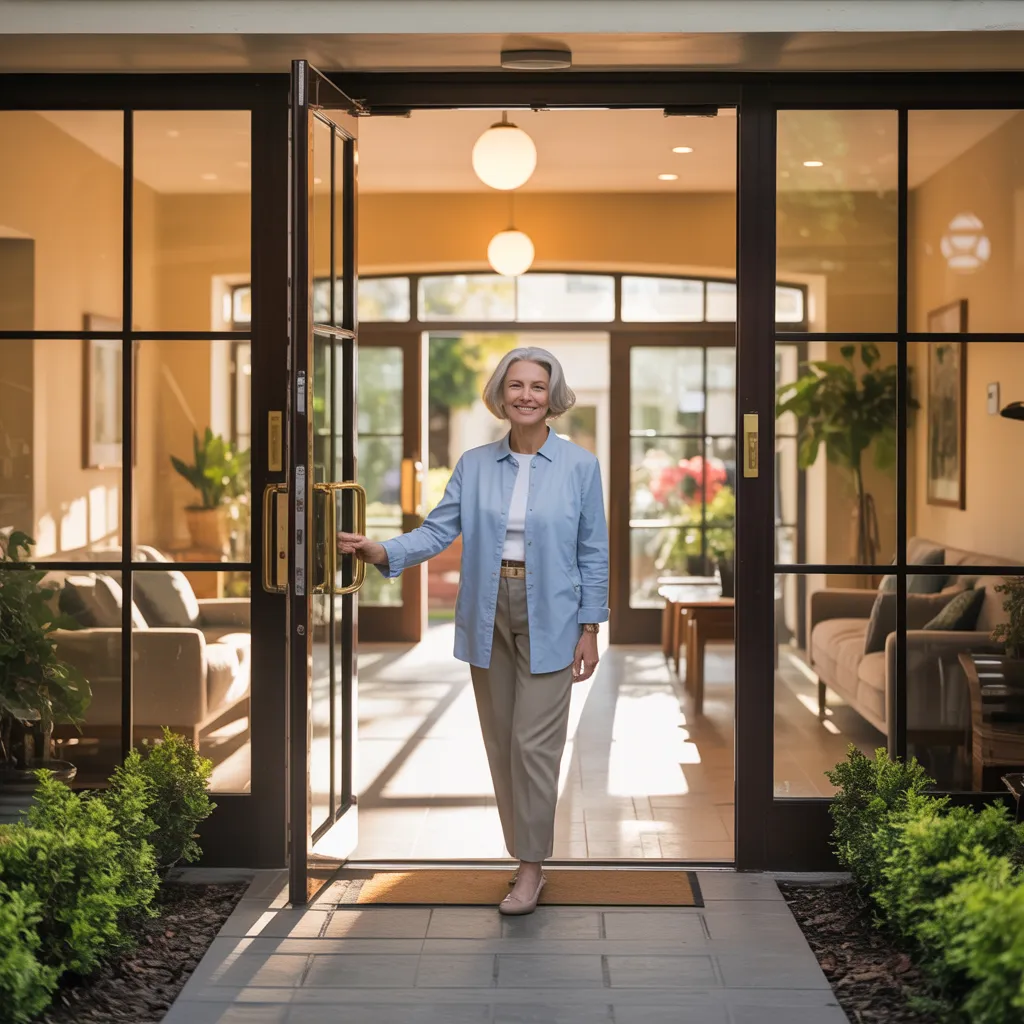
What Current Retirement Living Looks Like
Contemporary senior living has transformed greatly, illustrating a fusion of comfort and community. Modern facilities focus on aesthetics and functionality, delivering well-designed apartments that meet the needs of older adults. Open floor plans, natural light, and accessible features strengthen the living experience, encouraging a sense of independence.
Community spaces provide an important function, including shared areas for community activities, food service, and health programs. Many senior living residences integrate gardens, walking paths, and recreational facilities, encouraging residents to experience the natural environment and keep an active lifestyle.
In addition, technology integration has become significant, supplying residents with tools for communication, entertainment, and safety. Smart home features and emergency response systems reinforce security while encouraging autonomy.
Health and Wellness in Senior Living
Health and wellness are often prioritized in senior living environments, demonstrating a holistic approach to aging. These communities regularly integrate various health services, including regular medical check-ups, nutritional counseling, and fitness programs tailored to the needs of older adults. By fostering a nurturing atmosphere, residents are motivated to take charge of their health through preventive measures and lifestyle adjustments.
Mental health is equally emphasized, with resources such as counseling and cognitive activities designed to keep minds engaged. Many facilities also promote community connection by providing health seminars, meditation sessions, and access to nature, all of which contribute to a balanced lifestyle. Additionally, the emphasis on customized treatment strategies guarantees that each resident gets attention that matches with their individual health goals. In summary, these programs aim to enhance the quality of life, empowering seniors to thrive in their golden years.
Activities That Form Connections
While cultivating a community spirit, connection-building activities in senior living environments play an essential role in enhancing residents' social engagement. Participating in collective activities such as art classes, gardening clubs, and game nights encourages socializing and camaraderie among residents. These common activities help break down social barriers and promote a nurturing environment.
Moreover, planned excursions, like trips to local theaters or nature parks, present opportunities for residents to form bonds over shared interests and experiences outside the facility. Regular social events, featuring potluck dinners and holiday celebrations, deepen relationships through collective engagement.
In addition, volunteer opportunities among the community can instill a sense of mission while helpful resource joining residents with one another and the broader community. Overall, these activities not only strengthen residents' lives but also contribute to a vibrant and interconnected living environment.
Lifelong Education for Seniors
Older adults gain considerable benefits from exploring new ideas and perspectives, which can improve their quality of life. Workshops and lectures often invite guest speakers, creating a dynamic atmosphere where residents can ask questions and share insights. Additionally, online courses provide flexibility, allowing seniors to study at their own pace.
The Way Community Increases Senior Contentment
As individuals grow older, the sense of belonging to a social group can greatly enhance their general well-being. Engaging with others fosters meaningful connections, which are essential for mental health. Social groups offer chances for human connection, reducing sense of solitude and disconnection that often accompany aging. Consistent involvement in group activities—such as courses, excursions, or communal meals—motivates older adults to build relationships, share experiences, and help each other.
Moreover, a vibrant community often fosters a sense of purpose. When older adults contribute their skills and knowledge, they feel appreciated and involved, additionally enhancing their confidence. Access to resources, such as medical care and recreational facilities, within a community can also enhance their quality of life.
In the end, a solid support system not only increases well-being but can also contribute to healthier and more rewarding lives for seniors, enabling them to embrace their golden years with energy and joy.
Often Asked Queries
How Much Do Senior Living Facilities Expense?
Charges tied to senior living facilities could feature monthly rent, utility fees, care services, meal plans, and additional amenities. Financial considerations differ greatly based on location, facility type, and level of care required.
How Do I Select the Right Senior Living Community?
Determining the best senior living community means evaluating personal needs, visiting potential facilities, assessing available services, considering location, and reviewing costs. Engaging with current residents can provide valuable insights into the community's atmosphere and quality of life.
What Options for Accommodations Exist in Senior Living?
Different types of housing choices available in senior living encompass independent apartments, assisted living units, memory care suites, and skilled nursing facilities. Each option addresses various needs, guaranteeing residents discover an appropriate environment for their lifestyle and health requirements.
Can Pets Be Housed in Senior Living Communities?
Many senior living communities allow pets, recognizing their favorable influence on resident health and happiness. Policies vary, however, with some residences imposing breed or size rules and requiring security deposits for pets to establish a harmonious environment.
In What Methods Can Relatives Keep Participating in a Aging Adult's Life?
Family members can keep involved in a senior's life by planning regular get-togethers, participating in activities together, staying in touch via phone calls and messages, and providing technical support to exchange memories and preserve relationships successfully.